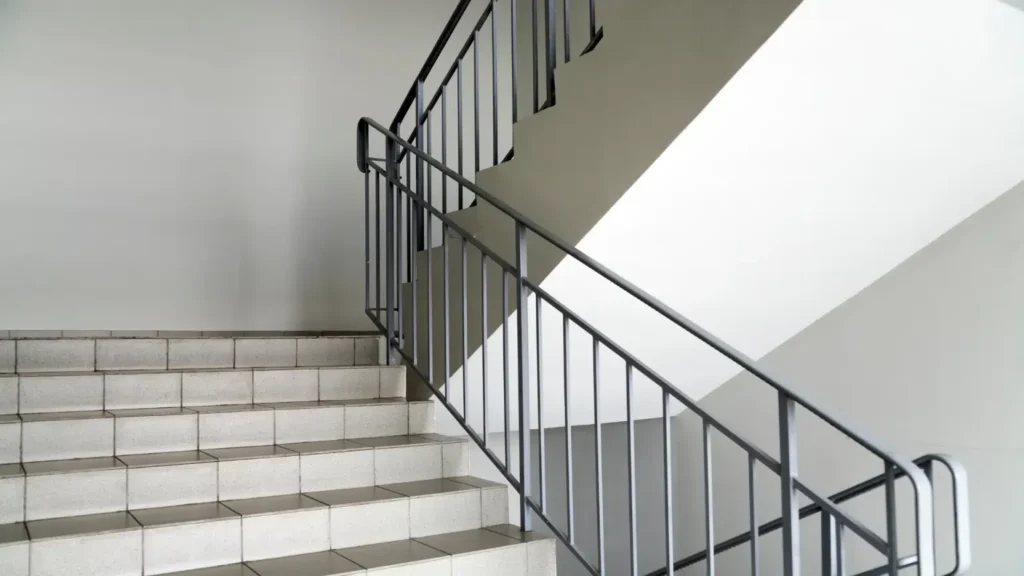

Buying an apartment without an elevator can be a sound property investment but only under the right conditions. As a general rule, apartments on the third floor or below without an elevator can still attract strong tenant demand and rent at market-competitive prices. Above that threshold, the lack of an elevator begins to meaningfully impact both rental appeal and resale value. The decision ultimately depends on the floor level, the target tenant profile, local market dynamics, and the purchase price relative to comparable properties with elevator access.
It’s one of the most common questions property investors ask when evaluating an apartment: does the absence of an elevator make it a bad investment? The short answer is no, not automatically. But there are several factors you need to weigh carefully before committing.
How an Elevator Affects a Property’s Value
Elevator access is increasingly viewed as a standard amenity in multi-story residential buildings, particularly as populations age and accessibility becomes a higher priority for buyers and tenants. When an elevator is absent, the property’s appeal narrows and that affects both price and liquidity.
Research across multiple property markets consistently shows that apartments without elevator access tend to trade at a discount compared to equivalent units in the same building or area with elevator access. The size of that discount varies by market, floor level, and building age, but it is a real factor that investors need to price in when assessing yields and capital growth potential.
That said, a lower purchase price can also mean a higher rental yield, provided the property still attracts tenants reliably. The question is whether the yield advantage outweighs the potential limitations on tenant demand and future resale.
The Floor Level Rule: Where the Line Is
Floor level is the single most important variable when evaluating an apartment without an elevator. Based on our experience at PropHero, apartments on the third floor or below without elevator access can still perform well as investment properties. At this height, the absence of a lift is a minor inconvenience for most tenants, not a dealbreaker.
Above the third floor, the dynamic changes. Climbing four, five, or six flights of stairs daily is a significant deterrent for a large portion of the rental market, including older tenants, families with young children, and anyone with mobility considerations. This reduces your potential tenant pool, increases vacancy risk, and puts downward pressure on achievable rents.
Key Factors to Evaluate Before Buying
1. Market Demand in the Area
In high-demand urban areas where affordable apartments are scarce, tenants are more willing to compromise on amenities like elevator access. In markets where supply is plentiful, tenants have more choice and an apartment without a lift may sit vacant longer. Analyzing local vacancy rates and rental demand trends is essential before making a decision.
2. Target Tenant Profile
Understanding who is likely to rent the property is critical. Young professionals, students, and budget-conscious renters are generally more willing to accept a walk-up apartment in exchange for a lower rent. Families, older tenants, and higher-income renters typically prioritize elevator access and are less likely to compromise on it.
Matching the property to the most likely tenant profile in that specific location will tell you a lot about whether the lack of an elevator is a material risk or a manageable trade-off.
3. Purchase Price and Yield
A property without an elevator should be priced to reflect that limitation. If you’re being asked to pay the same price as a comparable apartment with lift access, the investment case weakens significantly. The discount in purchase price is what creates the yield opportunity, so make sure it’s actually there before proceeding.
4. Resale Considerations
Think beyond the rental phase. When it comes time to sell, your buyer pool for an elevator-free apartment above the ground floor will be narrower than for an equivalent property with lift access. This can affect both the time it takes to sell and the achievable price. Factor this into your long-term return projections.
5. Building and Neighborhood Trajectory
Is the building well-maintained? Is the neighborhood improving? In areas experiencing gentrification or infrastructure investment, even walk-up apartments can appreciate meaningfully over time. Context matters: a third-floor apartment without a lift in a high-growth suburb can outperform a lift-equipped apartment in a stagnant one.
When an Apartment Without an Elevator Can Still Be a Good Investment
- The apartment is on the third floor or below
- The purchase price reflects a genuine discount relative to comparable properties with elevator access
- Local rental demand is strong and vacancy rates are low
- The target tenant profile is younger or more price-sensitive
- The neighborhood has strong long-term growth fundamentals
When to Walk Away
- The apartment is on the fourth floor or above with no elevator
- There is no meaningful price discount compared to elevator-equipped alternatives
- The local market has high vacancy rates or falling rental demand
- The target tenant profile skews older, family-oriented, or higher-income
Final Thoughts
An apartment without an elevator is not automatically a poor investment, but it requires more careful analysis than a standard purchase. Floor level, price, tenant profile, and local demand are the variables that determine whether the trade-off works in your favor.
At PropHero, our experts evaluate over 200 property-specific variables before recommending any investment including accessibility features, tenant demand profiles, and long-term resale considerations. The goal is never to find the perfect property on paper, but to find the right property for your specific investment goals.
Not sure whether a specific property stacks up? Book a free session with our investment experts and get a clear, data-driven answer.